Secret to Best Gluten-Free Chocolate Chip Cookies: Almond Flour Chewy Centers
For years, the quest for the ultimate
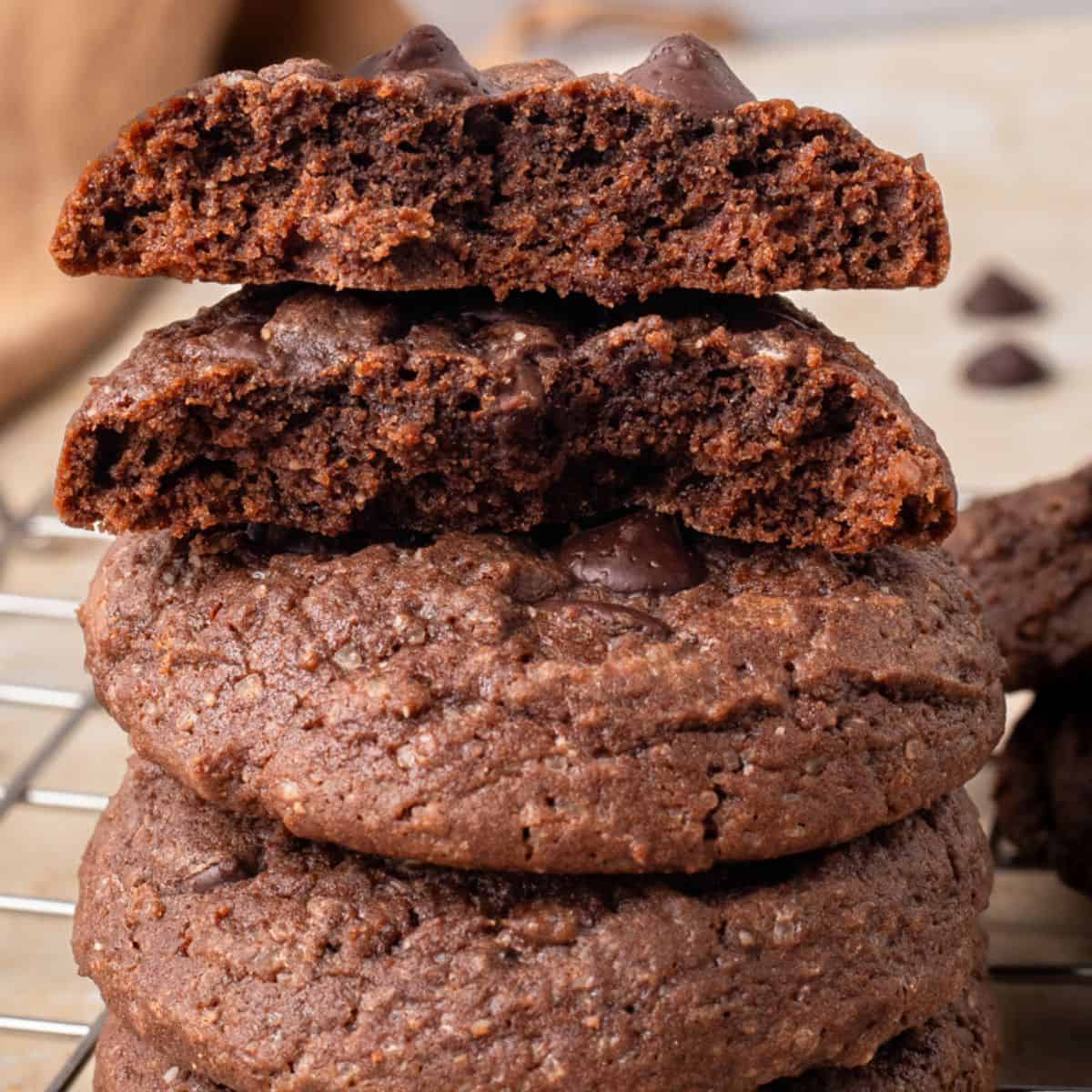
gluten-free chocolate cookies has been a passionate endeavor for home bakers and dessert enthusiasts alike. The challenge often lies in replicating that iconic taste and texture: a cookie that is perfectly crisp at the edges, yet gloriously soft and chewy in the center, bursting with melty chocolate. Many gluten-free recipes fall short, resulting in dry, crumbly, or overly cakey cookies that simply don't evoke the nostalgic joy of a classic Toll House treat. But what if we told you the secret to achieving that dreamy chewiness lies in a single, readily available ingredient? Enter almond flour, the hero of the hour, promising to revolutionize your gluten-free baking.
The Almond Flour Advantage: Unlocking Chewy Perfection
The cornerstone of truly exceptional
gluten-free chocolate chip cookies that rival their wheat-based counterparts is the right flour. While many gluten-free blends can be hit or miss, often leading to a dense or grainy texture, this particular recipe champions *almond flour* as its sole special ingredient. And for good reason.
Unlike many alternative flours, almond flour brings a unique set of properties to the table:
- Protein and Structure: Almond flour provides the necessary protein and structure typically found in wheat flour, giving the cookie integrity without making it tough.
- Unmatched Chewiness: This is where almond flour truly shines. Its fine texture and fat content contribute to an incredibly moist and *perfectly chewy* center, a hallmark of a truly great chocolate chip cookie.
- Subtle Flavor Enhancement: While primarily celebrated for its texture, almond flour also imparts a delicate, slightly nutty flavor that complements chocolate beautifully.
You'll find almond flour easily in the baking aisle or health food section of most grocery stores. For the best results, opt for finely ground blanched almond flour, as it yields the smoothest texture. For an even deeper, more complex flavor, consider toasting your almond flour before incorporating it into the dough. Simply spread it in a dry skillet over medium-low heat and cook until it’s lightly golden and fragrant. Be sure to let it cool completely before using to avoid altering the dough's temperature. This simple step can add a wonderful dimension to your
Perfect Gluten-Free Chocolate Chip Cookies: 10 Years to Toll House Taste.
Beyond the Flour: Crafting That Classic Texture and Flavor
While almond flour lays the foundation for texture, other ingredients play vital roles in achieving the nuanced flavor and structure of a truly classic chocolate chip cookie. This isn't just about making them gluten-free; it's about making them
perfectly delicious. The journey to perfecting these
gluten-free chocolate cookies involved over a decade of testing, learning from the shortcomings of simply swapping flours in traditional recipes, and understanding the delicate balance needed.
Let's break down the essential components:
- Unsalted Butter: High-quality, room-temperature butter is non-negotiable. It forms the rich base of the cookies and, when properly creamed with sugar, incorporates air for a tender crumb. If you're short on time, a few seconds in the microwave can gently soften cold butter, but be careful not to melt it. Using a premium butter, such as Kerrygold, truly elevates the overall flavor.
- Brown Sugar (Light): This sweetening agent is crucial for achieving that signature chewy center and a delightful, subtle caramel flavor. Always remember to pack the brown sugar firmly into your measuring cup to ensure you have the correct amount for optimal results.
- Granulated Sugar: Working in harmony with brown sugar, granulated sugar contributes to those coveted crisp edges and helps balance the overall moisture, preventing an overly soft cookie.
- Pure Vanilla Extract: A dash of pure vanilla extract is indispensable. It adds depth, warmth, and that unmistakable aroma that instantly signals "homemade chocolate chip cookie." Don't skimp on quality here; it makes a noticeable difference.
- The Chocolate: While classic chocolate chips are perfectly acceptable and delicious, consider using chopped chocolate bars or chocolate feves. These melt more unevenly, creating luscious, gooey pockets of rich chocolate throughout the cookie that are utterly irresistible.
- Eggs: Large, room-temperature eggs are essential for binding the ingredients and adding richness. Bringing eggs to room temperature helps them emulsify better with the butter and sugar, resulting in a more uniform dough and cookie texture.
One of the most appealing aspects of this perfected recipe is its simplicity and speed. Unlike some adaptations of famous cookie recipes that demand extensive refrigeration—sometimes up to 36 hours—this dough is ready to bake almost immediately. This means no more agonizing waits between craving and consumption! Furthermore, many versions of these
Chewy Gluten-Free Chocolate Chip Cookies: No Chill, One Bowl Recipe streamline the process even further, often requiring just one bowl for mixing, significantly cutting down on cleanup. For those who love to plan ahead, the dough is also remarkably freezer-friendly, allowing you to have freshly baked cookies whenever the mood strikes.
Baking Tips for Bakery-Style Gluten-Free Chocolate Chip Cookies
Achieving that "bakery-style" look and feel for your
gluten-free chocolate cookies goes beyond just the ingredients; it also involves mindful baking techniques.
- Scoop Size Matters: This recipe is often designed to yield generous, bakery-sized cookies. For impressively large cookies, use a ¼-cup scoop of dough, which typically bakes for 16 to 18 minutes. If you prefer smaller, more snackable cookies, opt for a 2-tablespoon scoop and adjust your baking time down to 10 to 12 minutes.
- Don't Overbake: This is perhaps the most crucial tip for maintaining chewiness. Cookies are done when their edges are lightly golden and set, but their centers still look slightly soft and underbaked. They will continue to cook slightly as they cool on the baking sheet. Overbaking leads to dry, hard cookies.
- Cooling Process: Allow your freshly baked cookies to cool on the baking sheet for about 5-10 minutes before carefully transferring them to a wire rack to cool completely. This initial cooling period on the warm tray helps them set up and prevents them from breaking apart.
- Oven Calibration: Ensure your oven temperature is accurate. An oven thermometer can be a worthwhile investment, as even a slight variance can impact the final texture of your cookies.
With these tips and the foundational magic of almond flour, you’re not just making gluten-free cookies; you’re crafting an experience. These are cookies that will delight everyone, whether they follow a gluten-free diet or not. The common lament of "too much flour" in many GF recipes is cleverly bypassed here, leading to a perfectly balanced cookie every single time. You’ll truly never miss the gluten, and your friends and family won't even guess these indulgent treats are dietary adaptations!
Conclusion: Your New Go-To Gluten-Free Treat
The journey to finding a truly satisfying
gluten-free chocolate cookies recipe can be a long one, often filled with disappointment. However, with the strategic use of almond flour, coupled with carefully balanced ingredients and precise baking techniques, that journey can finally come to an end. This recipe promises not just an alternative, but an *improvement* – delivering cookies that are incredibly soft and chewy in the center, crisp at the edges, and bursting with rich, gooey chocolate, mirroring the nostalgic flavors of your childhood favorites. Say goodbye to dense, crumbly gluten-free attempts and hello to your new, absolutely perfect, go-to gluten-free chocolate chip cookie recipe that will impress every palate.